
Pelvic Floor & Intimate Wellness
A strong pelvic floor supports both bladder and intimate health. Emsella® is a noninvasive treatment that strengthens pelvic floor muscles, helping improve confidence, comfort, and sexual function — no downtime required.
~30 Minutes
Per Session
Fully Clothed
During Treatment
No Downtime
Return to Your Day
FDA-Cleared
For Urinary Incontinence
Choose the Protocol That’s Right for You
Pelvic Health Protocol
FDA-cleared for urinary incontinenceAn FDA-cleared protocol designed for individuals experiencing urinary incontinence or weakened pelvic floor muscles. This protocol focuses on restoring strength, improving bladder control, and enhancing overall pelvic support.
Sexual Wellness Protocol
Not FDA-cleared for this useA treatment designed to optimize pelvic floor function to support sexual wellness. By strengthening the pelvic floor muscles, this protocol may help improve muscle tone, circulation, sensation, and confidence in intimate health.
Emsella® is FDA-cleared for the treatment of urinary incontinence in women and men. Use of the same technology to support sexual wellness is not an FDA-cleared indication; we do not promise benefits beyond bladder control, and individual results vary.
Many people delay asking for help because the topic feels personal or embarrassing. At Allen Psychiatry, you can discuss your concerns in a respectful, private environment and learn whether pelvic floor muscle stimulation may be appropriate for you. Although this wellness service is distinct from psychiatric care, it receives the same thoughtful, patient-first experience we bring to every service.
Emsella® uses FDA-cleared high-intensity focused electromagnetic (HIFEM) technology to stimulate repeated pelvic floor muscle contractions while you sit fully clothed in a specialized chair.

Completely Noninvasive
Treatment is performed while you sit in a specialized chair. There are no incisions, needles, or internal devices.
Remain Fully Clothed
Sessions are designed to be discreet and comfortable, with no need to undress.
Fits Into a Busy Day
A session takes about 30 minutes, and there is typically no downtime afterward.
Supports Pelvic Floor Function
The treatment produces repeated pelvic floor contractions intended to help re-educate weakened muscles and support bladder control.
The Technology Behind the Service
How Emsella® Works
Your pelvic floor is a group of muscles that supports the bladder and other pelvic organs. When these muscles weaken, urinary leakage may occur during coughing, sneezing, laughing, exercise, or sudden urges.
During a session, Emsella delivers focused electromagnetic energy to the pelvic floor area, activating these muscles repeatedly — contractions that are intended to help re-educate a weakened pelvic floor and improve bladder control, and that may also support intimate health.
The Emsella chair is cleared by the U.S. Food and Drug Administration through its 510(k) pathway for the treatment of urinary incontinence in women and men.
Emsella is not TMS
TMS at Allen Psychiatry targets areas of the brain involved in depression and other approved indications. Emsella targets pelvic floor musculature for urinary incontinence. The devices, treatment goals, evaluation process, and protocols are different.
Published systematic reviews suggest that pelvic floor magnetic stimulation may improve urinary-incontinence symptoms and quality of life, while also noting heterogeneity, possible bias, and the need for more high-quality trials (2025 HIFEM review; 2025 magnetic-stimulation review). Results vary by person and condition.
A Real Clinic, and a Real Team Behind It
Your sessions happen here in Allen, in a private, unhurried setting with our clinical team close by. Take a look around before you visit.
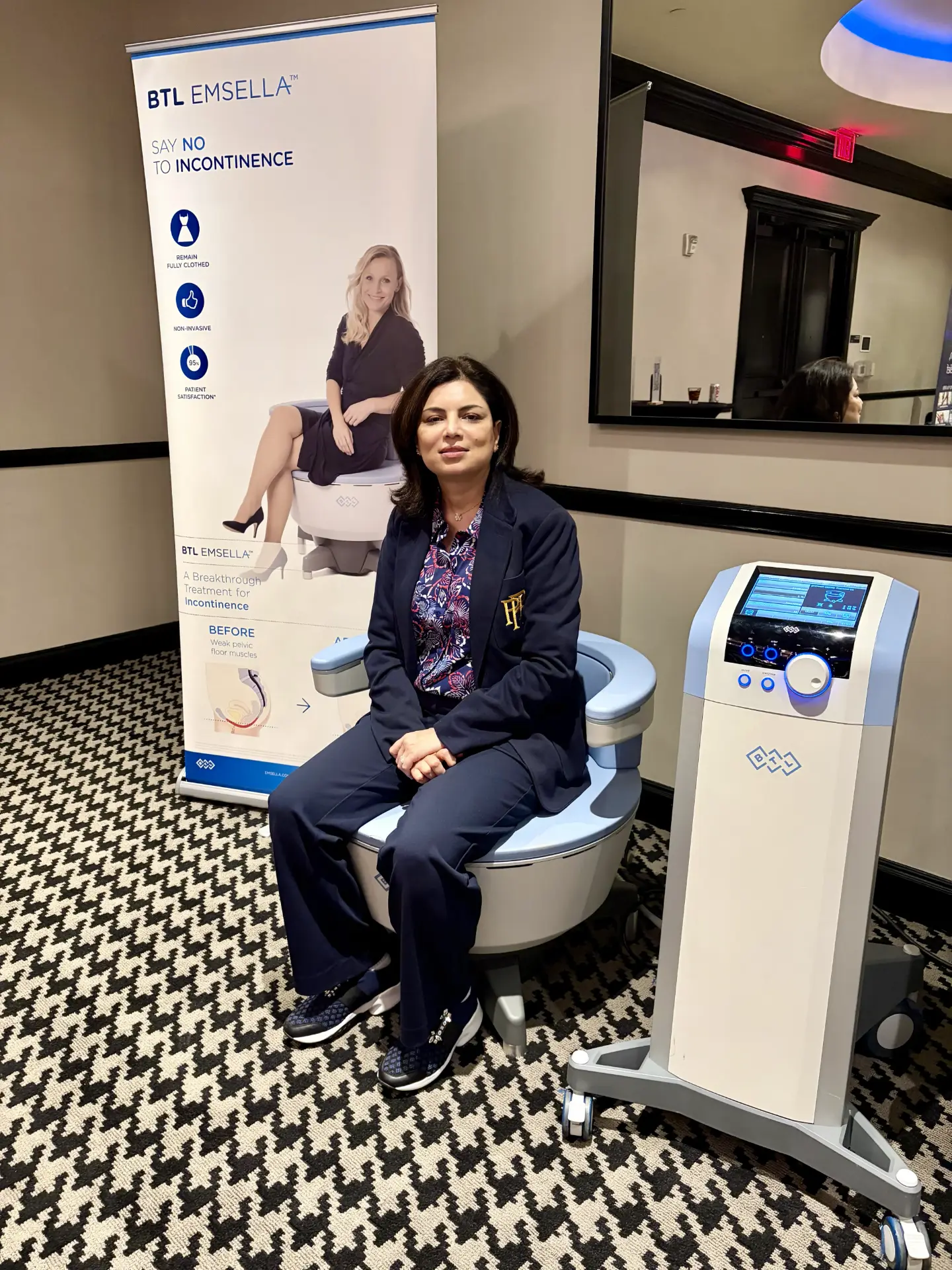
BTL Conference with Dr. Ali

Emsella
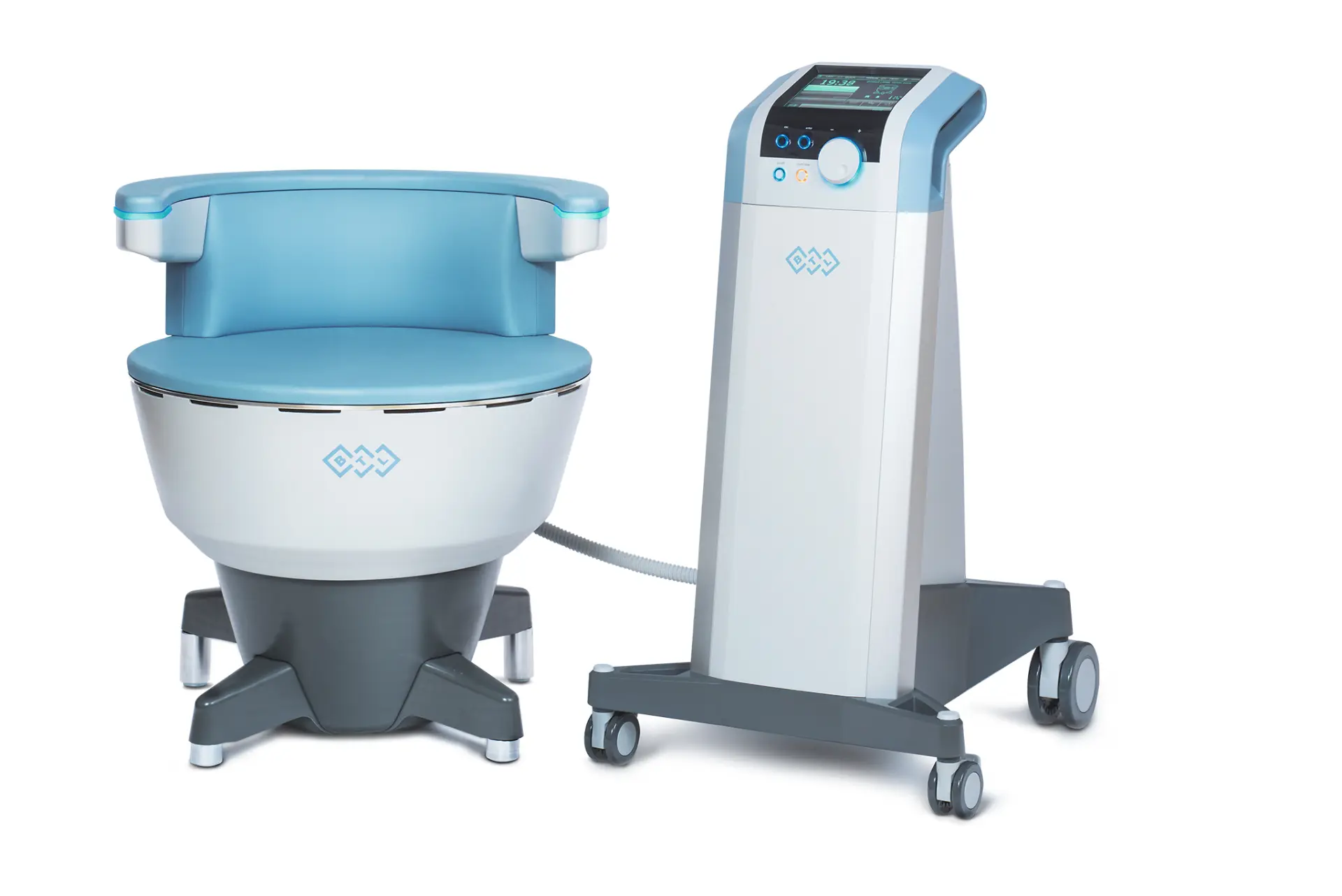
Emsella Machine

Shahla Ali, MD

Front Desk

Allen Psychiatry Team
Could Pelvic Floor Muscle Stimulation Be Right for You?
A private consultation helps us understand your symptoms, health history, and goals before recommending treatment.
You may want to ask about this service if:
You experience urine leakage when coughing, laughing, sneezing, lifting, or exercising
Your pelvic floor has weakened with age, childbirth, or certain medical procedures
You want to improve pelvic floor strength and core support
You are looking to enhance sexual wellness, confidence, or intimate function
You have concerns about intimacy, sensation, or sexual performance
You want to explore a noninvasive option
You can commit to the recommended treatment schedule
Your consultation includes:
Review of urinary and intimate-wellness symptoms and treatment goals
Relevant medical and surgical history
Screening for product-specific contraindications
Discussion of whether another medical evaluation should come first
A personalized treatment schedule if you are a candidate
Clear information about cost and payment before treatment
Important safety considerations
Pelvic floor electromagnetic stimulation is not appropriate for everyone. Because this treatment uses strong electromagnetic energy, tell us if you are or may be pregnant; have a pacemaker, neurostimulator, implanted drug pump, or any other implanted electronic device; have metallic implants or an IUD (titanium and other MRI-compatible implants are often fine — we screen case by case); have epilepsy or a seizure disorder; have an active cancer diagnosis; recently had surgery; have an active urinary tract or pelvic infection; or have an active or unexplained pelvic, urinary, or medical concern. Piercings between the waist and knees need to be removable for treatment.
Some health histories call for extra care before starting — for example, neurological conditions such as multiple sclerosis, spinal cord injury, or Parkinson's disease; reduced sensation in the pelvis or lower extremities; or significant heart or lung conditions. In some cases we may ask for clearance from your other physicians first, or recommend evaluation by your primary-care clinician, urologist, urogynecologist, OB-GYN, or pelvic-floor physical therapist. This service does not replace evaluation for new, severe, painful, or unexplained urinary symptoms.
This page is for general educational purposes and does not replace individualized medical advice, diagnosis, or treatment.
Your Pelvic Wellness Treatment Journey
A simple, private process centered on your comfort and safety.
Consultation & Screening
A private consultation reviews your symptoms, goals, and health history
Safety and contraindication screening confirms the service is appropriate for you
You receive a personalized schedule and clear cost information before starting
Comfortable, Fully Clothed Sessions
Sit back in the Emsella chair — each visit takes about 30 minutes
You may feel tingling and repeated pelvic floor contractions
The treatment team adjusts intensity to your comfort
Track Your Progress
Return to your normal activities right away
Track your bladder and intimate health, and daily confidence, across your treatment series
Review progress and next steps with the clinical team
A typical course is six sessions, scheduled once or twice weekly with at least a day of rest between sessions; moderate to severe symptoms may benefit from additional sessions. Individual results vary, and some people may not experience meaningful improvement.
Frequently Asked Questions
Get answers to common questions about pelvic floor and intimate wellness treatment.
If You Are in Immediate Danger
If you or someone you know is in immediate danger of self-harm or suicide:
Ready to Feel More Confident in Your Day?
You do not have to let bladder concerns or changes in your sexual wellness affect your quality of life. Schedule a private consultation to learn whether Emsella® pelvic floor muscle stimulation is right for you. Prefer to speak with our team? Call 469-340-2777.
Pelvic Floor & Intimate Wellness serving Allen, Plano, Frisco, McKinney, and the greater Dallas–Fort Worth area.
Individual results may vary. Treatment is not suitable for everyone and requires a comprehensive evaluation by a qualified provider to determine appropriateness.